Podocarpus
Home /

Podocarpus

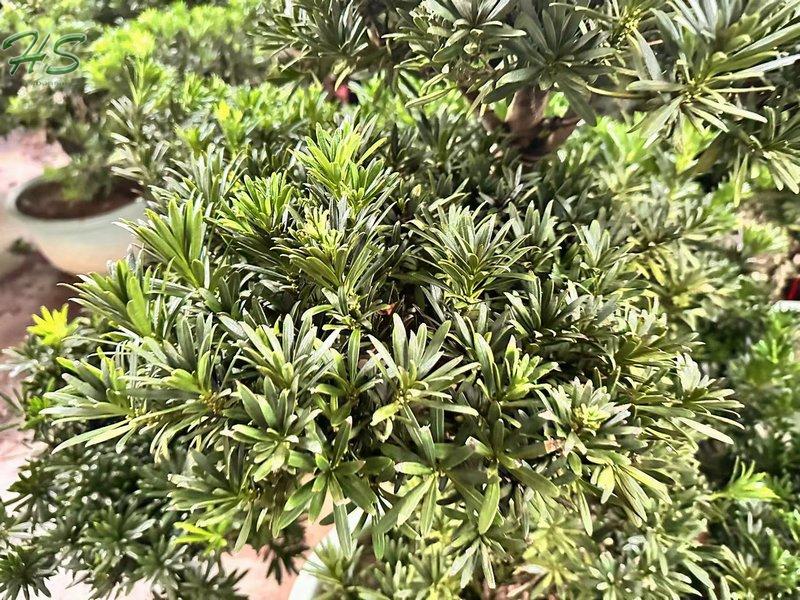
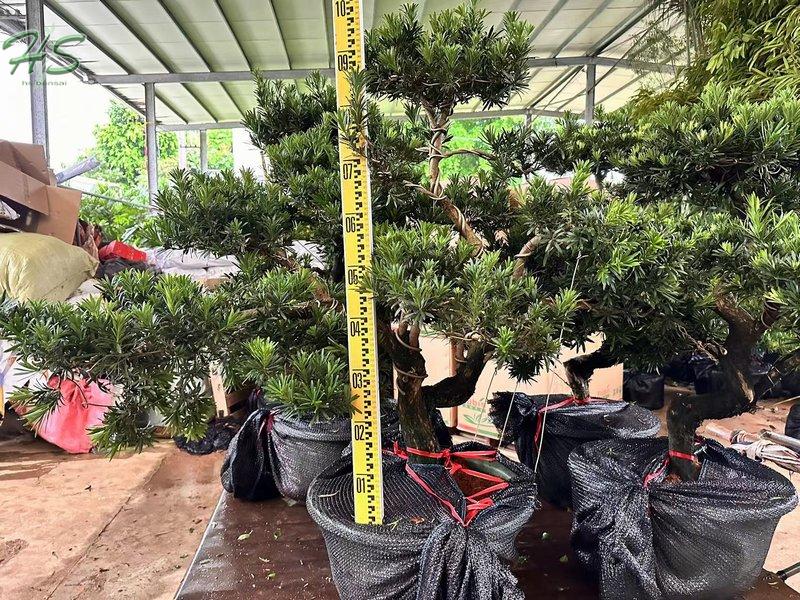
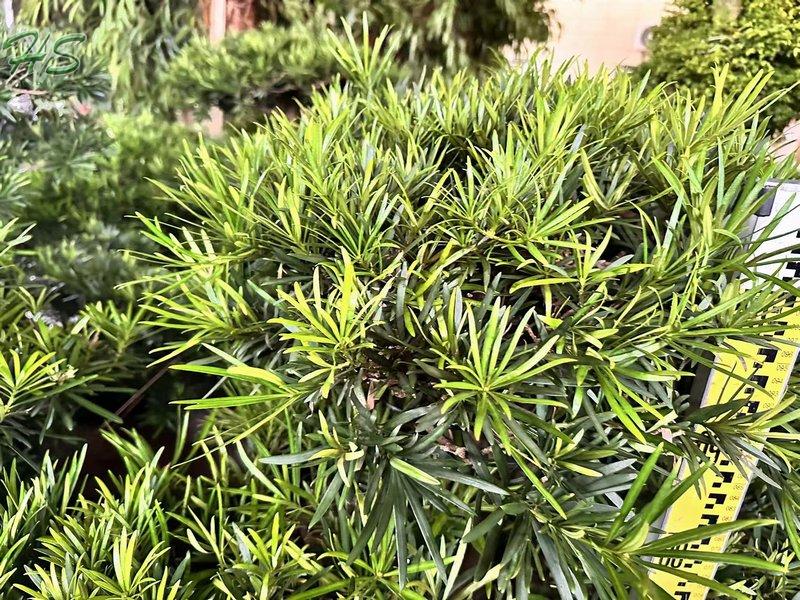
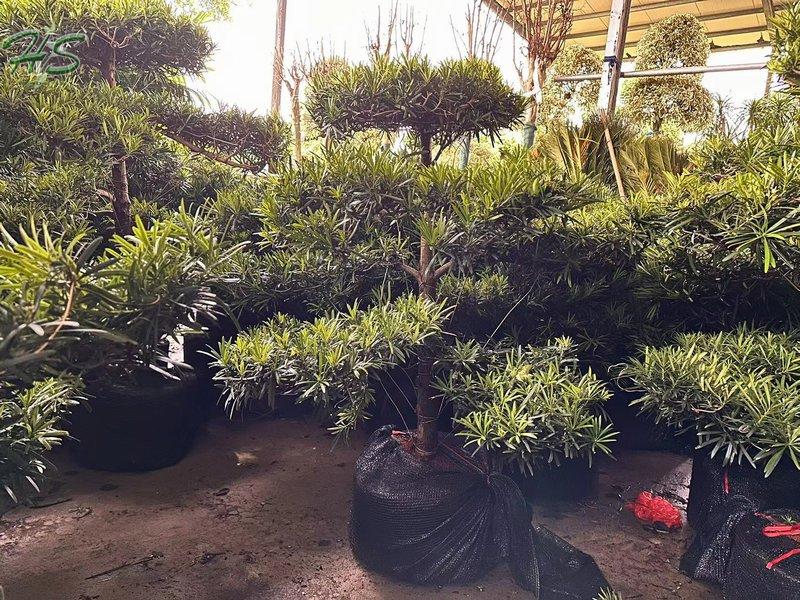
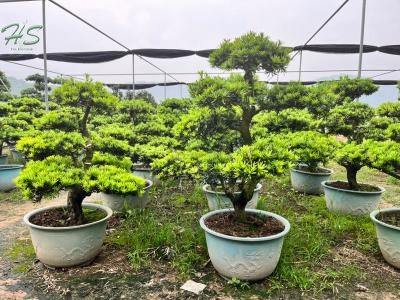
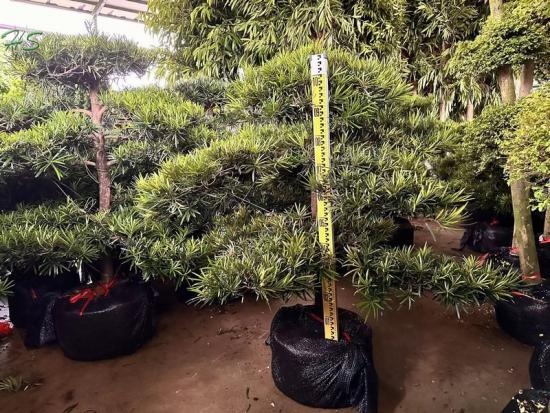
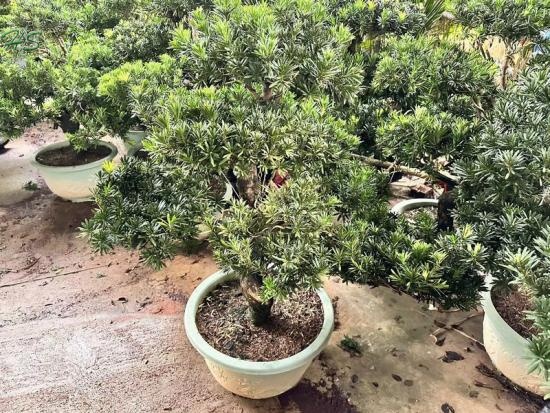
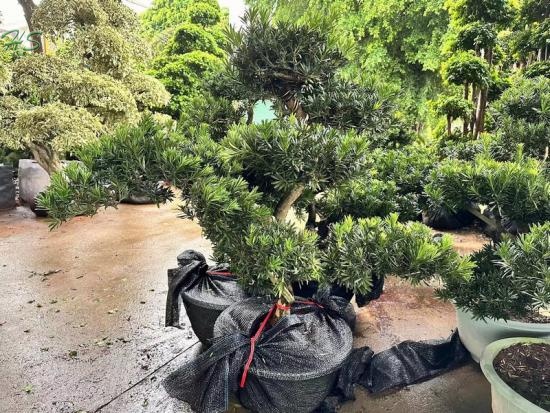
/Podocarpus Bonsai Featuring Multi-Branched Structure and Compact Leaves Var. ‘Queshe’

Podocarpus Bonsai Featuring Multi-Branched Structure and Compact Leaves Var. ‘Queshe’

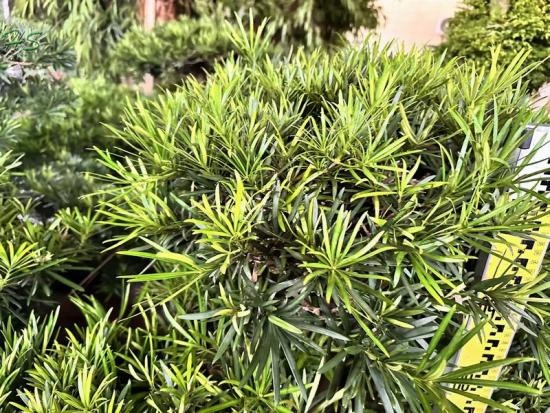
podocarpus macrophyllus, commonly called view plum pine or Buddhist pine, is a very tolerant plant that is easy to care for and survives a wide range of conditions. It is a versatile plant.

  • Item NO.:

    HSST
  • Payment:

    T/T
  • Product Origin:

    China
  • Color:

    Golden
  • Shipping Port:

    Xiamen port
  • Lead Time:

    7-10day
  • Goods Stock:

    50000
Product Details

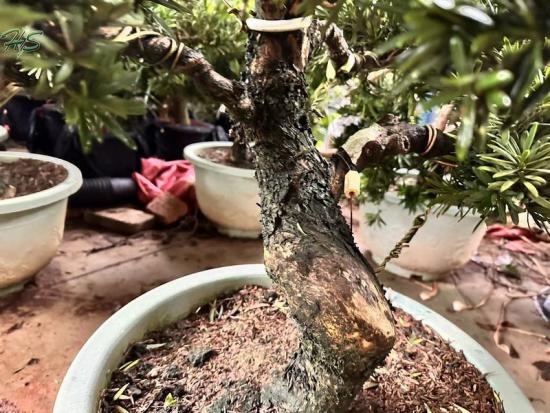
podocarpus bonsai Featuring Multi-Branched Structure and Compact Leaves Var. ‘Queshe’


Podocarpus, also known as silver pine and fragrant pine, is an evergreen conifer species of Pinus genus. Its scientific name is Pinus bungeana, which is one of the endemic tree species  and is widely distributed in the Loess Plateau and northern plain.


Podocarpus is a medium to large tree, reaching 20 to 30 meters in height with an umbrella-shaped crown. Its trunk is usually straight, the bark is grayish white, and the texture is leaden or pale yellow. The branches are flat, drooping, and arranged in a comb. The leaves are 2 needles in a bundle, about 8 cm to 10 cm long, the young leaves are silvery white, and turn green when mature. The pine seeds are oval in shape and have samara.


Overview of products

Wholesale Podocarpus Macrophyllus Tree

Wholesale Podocarpus Macrophyllus Tree

Wholesale Podocarpus Macrophyllus Tree


Wholesale Podocarpus Macrophyllus Tree

Leave A Message
If you have questions or suggestions,please leave us a message,we will reply you as soon as we can!
Related Products
Beautiful Nuture Podocarpus  Bonsai
Nice Bonsai Podocarpus of Best Sellers

Podocarpus is a kind of drought-tolerant, cold-tolerant and adaptable species, which does not require much soil and can adapt to various barren lands. It usually grows on mountain slopes, river valleys, hills and plains. Podocarpus podocarpus has strong wind resistance and can survive in dry and cold environments. Its trunk is strong and strong, and the wood is hard, which can be used as a building and woodworking material.
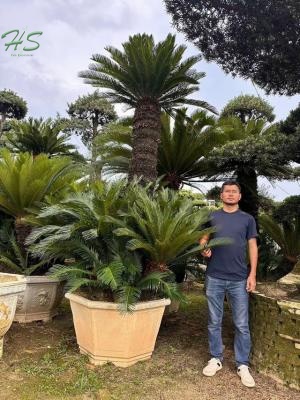
Chinese Podorcarpus Bonsai ball shape podocarpus macrophyllus for sale
Cold resistant plants Podocarpus Private Garden Plant

Podocarpus macrophyllus is a moderate grower you can keep 5 to 7 feet or let it get larger - quite a bit. mostly we make it as a bonsai, special chinese and japanese bonsai style, sometimes make the shape as ball or cone or hedge.
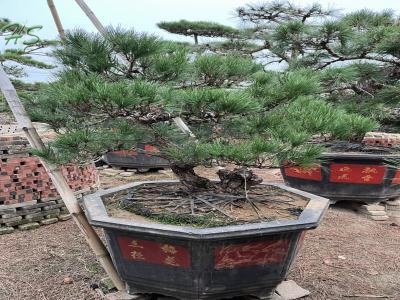
Nice Bonsai  Pinus Thunbergii Parl
Top Quality Black Pine Pinus Thunbergii Parl Black Pines

Pinus thunbergii Parl., also known as black pine, is a common pine tree belonging to the Pinaceae family.
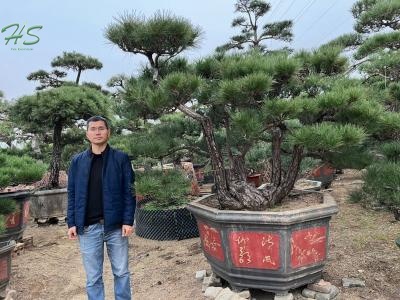
Top Quality  Black Pine Plant Garden Shapes
Natural Outdoor Bonsai Pinus Thunbergii Parl Best Sellers

Pinus thunbergii Parl, also known as black pine, is a common pine tree belonging to the Pinaceae family.
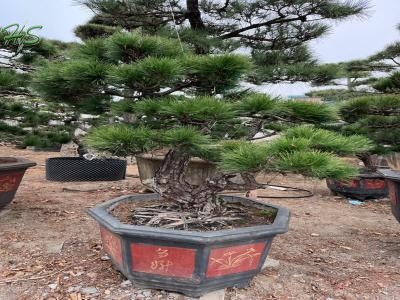
Nice Live Plants  Pinus Thunbergii Parl
Wholesale High Quality Black Pine Pinus Thunbergii Parl Black Pines

Pinus thunbergii Parl., also known as black pine, is a common pine tree belonging to the Pinaceae family.

Wholesale Of Various Beautifully Shaped Bougainvillea
Price-friendly Beautiful Bougainvillea

Bougainvillea Care Guide 1. Light Full sun is essential. Bougainvilleas need at least 6–8 hours of direct sunlight daily to bloom profusely. Insufficient light results in poor flowering and leggy growth. 2. Watering Water deeply but infrequently. Allow the soil to dry out between waterings. Avoid overwatering—bougainvilleas are drought-tolerant and prone to root rot if kept too wet. Reduce watering in cool or rainy seasons. 3. Soil & Potting Use well-draining soil (e.g., cactus/succulent mix or add perlite/sand to potting soil). Ensure pots have drainage holes. Repot every 2–3 years or when roots outgrow the container. 4. Temperature & Climate Ideal temperature: 60°F–90°F (15°C–32°C). Frost-sensitive: Protect or bring indoors if temperatures drop below 40°F (4°C). In cool climates, grow in containers and move indoors during winter. 5. Fertilizing Use a balanced fertilizer (e.g., 10-10-10) or one higher in phosphorus (e.g., 5-10-10) to promote blooming. Fertilize every 4–6 weeks during the growing season (spring to summer). Avoid high-nitrogen fertilizers, which encourage leaves over flowers. 6. Pruning & Training Prune after flowering to shape the plant and encourage new growth. Wear gloves—bougainvillea thorns can be sharp. Regular light pruning maintains size and promotes more blooms. Can be trained as a climbing vine, shrub, or bonsai. 7. Pest & Disease Management Common pests: Aphids, caterpillars, spider mites. Treat with insecticidal soap or neem oil. Fungal issues (e.g., leaf spot) may occur in humid conditions. Improve air circulation and avoid wetting leaves. Root rot from overwatering—ensure proper drainage. 8. Encouraging Blooms Stress can trigger flowering: Slightly restrict water (without wilting) and avoid over-fertilizing. Ensure ample sunlight and avoid heavy pruning during peak blooming seasons. 9. Winter Care (Cool Climates) Move potted plants indoors to a bright, sunny spot. Reduce watering and stop fertilizing until spring. Outdoor plants may die back in frost but often regrow in spring if roots are protected with mulch. 10. Propagation Propagate via semi-hardwood cuttings in spring/summer. Dip cuttings in rooting hormone and place in well-draining soil. Keep warm and moist until rooted. Quick Tips for Success Sunshine is key—the more sun, the more flowers. Neglect over nurture: They thrive with a little stress (underwatering is better than overwatering). Prune strategically to maintain shape and boost blooms. Protect from cold—bougainvilleas are tropical plants at heart

Outdoor Ficus Beautiful  Bayan Tree
One Single Ball Ficus Microcarpa

The single-ball banyan tree, also known as the fig tree, is a unique and striking species that captivates with its intricate growth pattern and resilient nature. Native to warmer climates, this tree is easily recognized by its large, round canopy, often resembling a single, large ball. The trunk of the tree is usually short and stout, in contrast to the extensive and often pendulous branches that give the tree its distinctive shape. The single-ball banyan tree's unique appearance is the result of years of growth and development. Its branches repeatedly send out new growth, creating an intertwining pattern that encircles the trunk. This growth pattern not only gives the tree its signature shape but also creates a unique microclimate within its canopy, providing habitat and shelter for a variety of plants and animals. The single-ball banyan tree is also renowned for its longevity. Some specimens have been known to live for over a century, making them not just a botanical curiosity but also a cultural icon in many parts of the world. In warmer regions, they often serve as a source of shade and cooling, providing a much-needed respite from the sun's rays. The single-ball banyan tree's adaptability and resilience make it a valuable addition to any landscape. It thrives in various soil types and can withstand periods of drought and flooding, making it an excellent choice for gardens, parks, and other outdoor spaces. Its beauty and adaptability have also made it a popular choice for large-scale plantings, providing not just visual interest but also ecological value.

Aerial Root Ficus Religiosa
Wholesale Ficus multi aerial root plant

Ficus Multi Root was known as the common Fig and Chinese Banyan, this bonsai is make from some ficus nitida plants, use the aerial root conected with each other, the ficus bonsai tree grows naturally in Southwest Asia, special in China. Most of them tropical and evergreen

Leave A Message
Leave A Message
If you have questions or suggestions,please leave us a message,we will reply you as soon as we can!

Home

Products

whatsapp